
Where Your Honey Comes From: The Story of Los Angeles Bees
Honey is a story of place. Local honey isn’t just sweet — it’s a mirror of the neighborhood it came from. In Los Angeles, the differences between Highland Park honey and Pasadena honey can be as dramatic as the differences between wine varietals. That’s the magic of urban beekeeping.
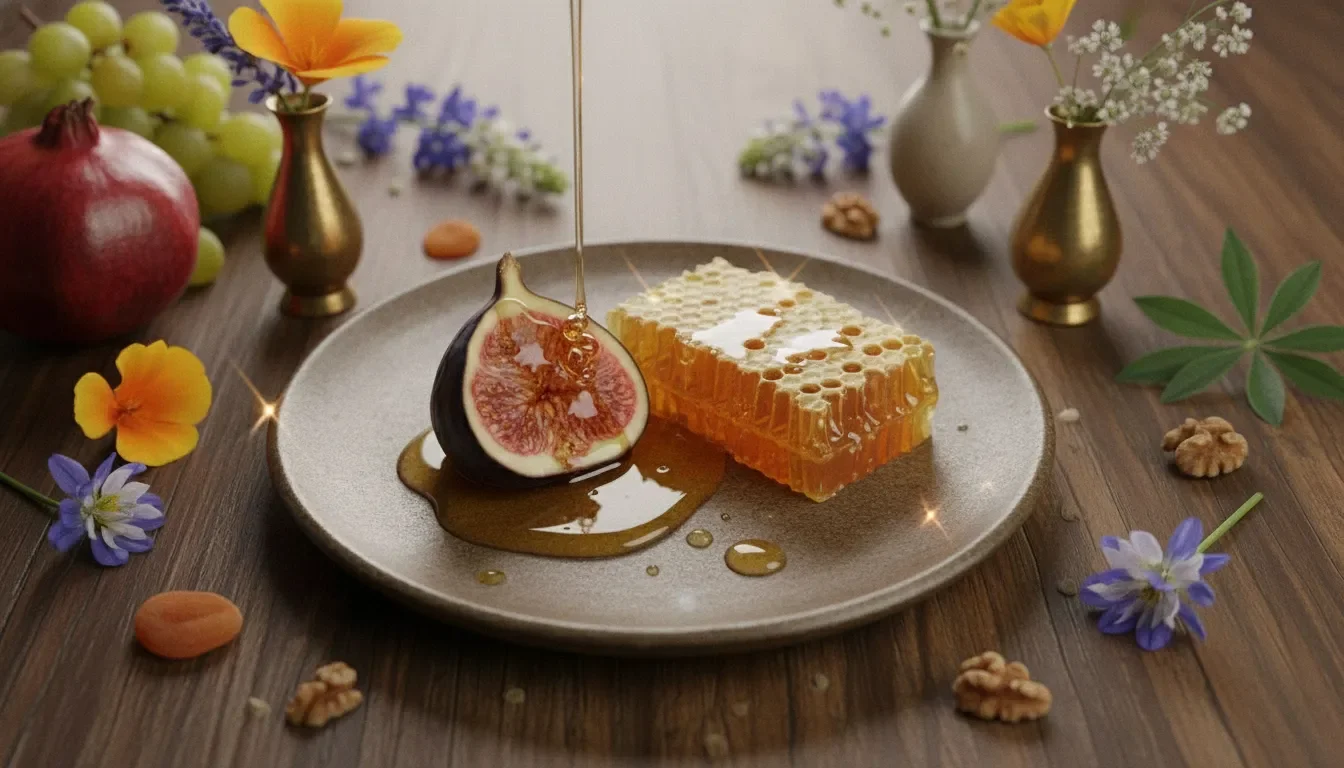
Los Angeles Has “Micro-Flavors”
Because each neighborhood has its own combination of trees, gardens, and wild plants, the nectar sources shift from block to block.
Examples:
Silver Lake: citrus blossoms, rosemary, lavender
Pasadena: jacaranda, camphor trees, sage
Eagle Rock / Highland Park: eucalyptus, privet, sage, wild mustard
Los Feliz: bougainvillea, herbs, flowering ornamentals
Each bloom period adds new layers to the honey & Each jar reflects the flora of its native ZIP code.
Why Local Honey Tastes Different
Honey flavor depends on:
the time of year
what’s blooming near the hive
how strong the colony is
how long nectar takes to cure into honey
microclimate (shade, elevation, heat pockets)
That’s why one year’s harvest may taste floral and light, while the next is darker and almost caramel-like.
Average Honey Yield in LA
Most healthy hives produce:
30–60 lbs per year
Exceptional hives can reach 75+ lbs depending on rainfall and forage.
What Affects Honey Production?
Forage availability (native gardens, citrus, eucalyptus)
Hive genetics
Beekeeper experience
Local weather patterns
Competition from nearby hives
The Journey From Hive to Jar
Our honey is:
small batch
neighborhood-specific
minimally filtered
never heated
harvested by hand
When you buy local honey, you’re literally tasting the Eastside in a jar.
Join the Honey Club
Hosting a hive means receiving honey from your own backyard — truly the most personal honey you will ever have.